

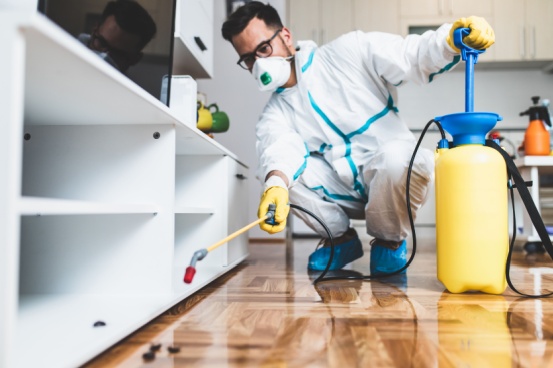
Tips for Protecting Hardwood Floors from Termites
03/21/2024
The timeless appeal of hardwood makes it a top flooring choice for homeowners around the world. However, these beautiful floors are susceptible to many external factors. If you suspect a termite infestation at home, its structural integrity could be in danger.
The insatiable hunger of termites for wood is known to all of us. Though they generally prefer feeding on softwood, they can also cause serious damage to all hardwood components including floors. When a termite infestation takes place, apart from hardwood floors, ceiling beams, wood panelling, windows and doors, built-in cabinets, and floor joists is also at risk. If you are serious about protecting hardwood floors from termites, the first step is to check regularly for signs of termite damage.
Identifying Signs of Damage
It is not difficult to identify a termite-infested hardwood floor. However, it is important to remember that the signs of damage may not be too obvious at times. As softwood is preferred over hardwood by termites, the initial signs of damage are observed in joists, subfloor, and other structures supporting the floor. By the time the signs of hardwood floor damage are identifiable, there could be a full-blown infestation.
Mentioned below are a few signs of termite damage.
- Squeaky floorboards are one of the most common indicators of a termite infestation. As hardwood floors are weakened by termites, a squeaking or creaking sound can be heard when boards rub against one another.
- Termite-affected hardwood structures often develop cavities, causing a hollow sound when the floor surface or beams/joists are tapped.
- Termites hate living near their droppings, and dig holes to get rid of fecal pellets. Therefore, if you have termites living underfoot, you may notice discoloured holes surrounded by dry pellets in your hardwood floor.
- While travelling between food sources and their nests, subterranean termites often construct mud tubes. If you notice them in and around your floor, you probably need to find a way to get rid of termites.
- To soften the wood structure, termites add moisture to it. The appearance of water damage, therefore, is another sign of their presence.
Hardwood Floor Protection
Termites are responsible for a huge amount of property damage around the year. Fortunately, however, there are several ways to prevent them from destroying hardwood floors.
- Try to reduce soil-to-wood contact as much as you can. All paper products, cardboard, mulch, and firewood should be kept away from the foundation. If there are wood sidings, there should be a gap of at least six inches between the siding and the ground.
- Termites can easily enter your house through small cracks in the foundation. A waterproof sealant or filler can be used to fill these structural defects.
- Homes with a crawlspace can use a vapour barrier to protect the subfloor from extra moisture.
- One of the best ways to hardwood floors from termites is to cover it with a thick layer of varnish. A varnished hardwood floor is much tougher for termites to chew.
- Though there are many termite treatment options, most of them are not suitable for hardwood. It is highly recommended to seek help from a termite specialist.
If you have any other questions about the upkeep of your hardwood floor, please contact us at Enoak.