

Simple Tips to Deal with Gaps in Wood Flooring
04/24/2023
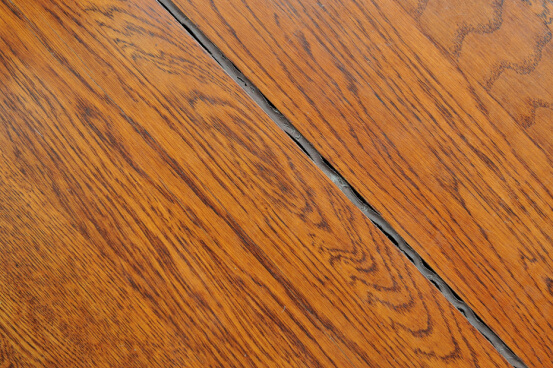
Wood flooring has always been considered to be an extremely beautiful as well as durable flooring option. However, maintaining this type of flooring has its own challenges and formation of gaps in wood flooring is one of them. In most instances, gaps are created in wooden floors because of poor maintenance and seasonal changes. Small gap in wooden flooring is normal, and is not a serious concern. However, if the gap becomes too wide, it can cause serious issues. Preventing this problem requires understanding its causes and implementing adequate measures.
Floor Gapping Causes
One of the foremost causes of wood floor gapping is seasonal change. As a result of higher temperature and humidity levels during the hot summer days, wooden floors tend to expand by absorbing moisture from the air. On the other hand, during the winter, wooden floors contract by losing moisture because of the lower humidity level. As a result of these seasonal changes, planks shrink and expand, often resulting in formation of gaps in the floor.
Poor maintenance is another common reason behind the gapping of wooden floors. If the flooring material is not acclimated properly to the environment before its installation, the floor may become extremely susceptible to gapping. Similarly, if the subfloor is not prepared properly or the right gaps are not provided during the installation of the floor, gaps may appear over a period of time. Also, dirt and debris may accumulate in the gaps between the planks. The planks may shift and move because of this, leading to widening of the gaps.
Prevention Tips
Fortunately, there are several things we can do to prevent gapping of wooden floors.
The first and foremost prevention measure is to ensure proper acclimation of the wooden planks before the floor is installed. This involves leaving the flooring material for at least 48 hours up to a week in the room where it will be installed. This allows the wood to adjust to the room’s temperature and humidity and minimises the chance of gapping.
The next important task is to prepare the subfloor meticulously before the installation of the floor. This ensures that the subfloor is dry, clean, and properly levelled. If the subfloor is not levelled properly, the flooring can shift and create gaps in the long run.
Now, the flooring must be installed correctly, leaving adequate gaps around the walls. The correct size of the gaps depends upon wooden flooring type and the width of the planks. Any experienced installation professional should be able to guide you about your flooring’s appropriate gap size.
Finally, proper floor maintenance also goes a long way in preventing gapping. Clean your floor regularly so that there is no accumulation of dirt and debris in the gaps between planks. It also makes sense to implement measures to stabilise the level of humidity in the room.
If your wooden floor has already developed gaps, there are a few things you can do to address the problem. If the gaps are small in size, wood fillers can be used to fill them up. However, matching the wood colour with these fillers can be a challenge. If the gaps are larger, more extensive repair may be required. This may involve sanding down the affected planks or replacing them with new planks.
If you have any other questions about the upkeep of your wooden floor, please contact us at Enoak.