

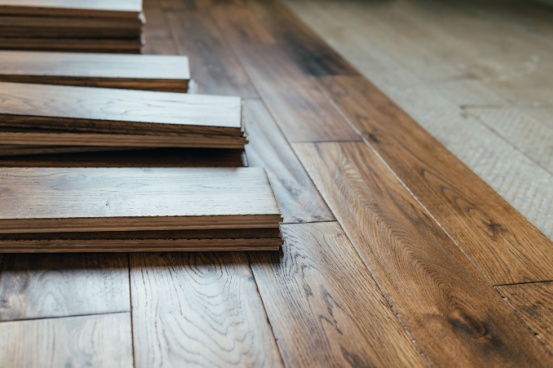
Reasons to Choose Low-VOC Hardwood Flooring
09/20/2024
There are many reasons why homeowners prefer hardwood floors over other flooring options. While the beauty and elegance of these floors are unmatched, they can last for many years with proper maintenance. Moreover, hardwood floors can effortlessly complement any existing home decor. In recent years, many homeowners are also choosing these floors to improve their indoor air quality.
With changing times, the quality of indoor air has become a major concern for many builders, designers, and homeowners. Several health-related problems such as fatigue, headache, and respiratory issues can be attributed to poor indoor air quality. VOC or Volatile Organic Compounds are responsible for these health issues. The EPA informs that compared to outdoors, many VOCs have higher concentrations in indoor environments. This is why it is important to use low-VOC hardwood flooring and other building materials during the construction of any building.
The Risk of Exposure to VOCs
Volatile organic compounds (VOCs) can easily evaporate in the air because of their high vapour pressure at normal temperatures. Numerous materials used in building construction are known to release VOCs, including thinners, solvents, cleaning products, paints, etc. While exposure to small amounts of VOCs may not be a major concern, the release of high levels of VOCs can cause serious health hazards.
Formaldehyde is one of the most common VOCs found in indoor environments. It is present in glues and finishes used for the installation of laminated and engineered wood floors. Formaldehyde is also used in the underlayment to make the foam pliable and soft. Some other common VOCs include benzene, methylene chloride, ethylene glycol, tetrachloroethylene, xylene, toluene, and 1,3-butadiene.
Once VOCs are released into the indoor environment, they remain there for a long time. As a result, people living in the house are likely to breathe these compounds and may experience headaches, difficulty in breathing, nausea, chronic cough, and irritation to the throat, nose, and eye. Prolonged exposure may also cause damage to the kidney, liver, and brain, or even lead to cancer.
The severity of health issues caused by VOCs depends on the duration and concentration of exposure as well as the sensitivity of an individual. These risks can be mitigated by using low-VOC or VOC-free materials and ensuring proper ventilation.
Low VOC Flooring Materials
Ceramic tile and glass, natural stone, and solid wood products such as hardwood flooring are amongst the lowest VOC-emitting building materials. The use of these natural materials can significantly minimise the VOC emission potential and improve indoor air quality.
It is important to remember, however, that the VOC emission potential of all wood species is not similar. Therefore, while choosing your flooring material, choose your wood type and finish very carefully. Compared to softwoods such as spruce or pine, hardwoods like cherry, maple, and oak are less likely to release VOCs because they are denser. Similarly, traditional polyurethane finishes tend to emit more VOCs compared to natural oils and wax finishes. Finally, during the installation of your hardwood flooring, ensure proper airflow and use only low-VOC adhesives.
If you want to find out more about low-VOC hardwood flooring options for your home or office, please contact us at Enoak.